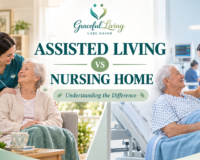

Watching your parents or loved ones grow older brings a lot of emotional challenges. One of the biggest fears families face is the constant cycle of moving. First, they downsize from the family home to an independent living apartment. Then, if their health declines, they have to move again to an assisted living facility. If they need round the clock medical care, it means a third devastating move to a nursing home.
Each move is physically exhausting and emotionally draining. It forces seniors to say goodbye to friends, learn new layouts, and adjust to new routines over and over again.
What if there was a way to make just one single move, and never have to worry about moving again? That is exactly the promise of a Continuing Care Retirement Community, commonly known as a CCRC.
If you are exploring options for your family, you have probably seen this term. Let us break down exactly what a CCRC senior living community is, how it works, and why it might be the ultimate key to peace of mind for your aging loved ones.
Planning for Senior Living? We’re Here to Help.
Choosing the right Continuing Care Retirement Community (CCRC) is one of the most important decisions for your family’s future. At Graceful Care Haven, we’re committed to helping seniors enjoy a safe, comfortable, and supportive lifestyle with compassionate care that evolves as their needs change. Contact us today to explore your options and find the right community for lasting peace of mind.
Contact Our Team TodayWhat Exactly is a CCRC?
A CCRC stands for Continuing Care Retirement Community. It is a unique type of senior living that offers multiple levels of care all on one single campus.
Think of it as a small, welcoming town built specifically for older adults. When a senior moves into a CCRC, they usually start in the Independent Living section. They enjoy an active, vibrant lifestyle in their own private home or apartment. But as their health needs change over the years, they can seamlessly transition to Assisted Living or Skilled Nursing Care, all without ever leaving the community.
This concept is known as aging in place. It means your loved one gets to stay in the familiar community they have grown to love, surrounded by the same friends and staff, even if their medical needs become more complex.
The Three Levels of Care in a CCRC
The defining feature of a CCRC is its tiered levels of care. While every community is slightly different, most offer three main levels of support.
1. Independent Living
This is where most residents begin. Independent living is for active, healthy seniors who do not need daily medical assistance. Residents live in private apartments, cottages, or townhomes. They enjoy a massive list of amenities like fine dining, fitness centers, swimming pools, golf courses, and social clubs. The burden of home maintenance, yard work, and cooking is completely lifted.
2. Assisted Living
If a resident starts to struggle with daily activities like bathing, dressing, or managing their medications, they can transition to the assisted living section. Here, they still have their own private space, but a trained staff is available twenty four hours a day to provide personal care and support. They still enjoy the community amenities, just with a little extra help.
3. Skilled Nursing and Memory Care
If a resident experiences a serious illness, a surgery, or develops a condition like Alzheimer disease or dementia, the CCRC has them covered. Skilled nursing facilities provide twenty four hour medical care from licensed nurses. Memory care units offer secure, highly specialized environments for seniors with cognitive decline.
How Does a CCRC Work? The Financial Model
Understanding the financial side of a CCRC is crucial, as it operates differently from standard apartment rentals or standard assisted living facilities.
When you move into a CCRC, you typically sign a long term contract. This contract outlines the care you will receive, the services included, and the costs. The financial structure usually involves two main payments:
The Entrance Fee: This is a large, upfront sum paid when you move in. It can range from one hundred thousand to over one million dollars, depending on the community, the size of the home, and the type of contract you choose. A portion of this fee is often refundable to your estate.
The Monthly Fee: In addition to the entrance fee, residents pay a monthly maintenance fee. This covers meals, housekeeping, utilities, property taxes, and healthcare services.
The Three Types of CCRC Contracts
Not all CCRCs are the same. The type of contract you sign dictates how your healthcare is paid for as you age. There are three main types:
1. Extensive or Life Care Contract (Type A) This is the most comprehensive and popular option. You pay a higher entrance fee and higher monthly fees, but your monthly rate stays relatively the same even if you move to assisted living or skilled nursing. It acts like an insurance policy. If you run out of money, the community still cares for you.
2. Modified Contract (Type B) This contract offers a middle ground. It includes a set amount of long term care at no extra cost, or at a heavily discounted rate, for a specific number of days. Once those days are used up, you must pay the daily market rate for any additional care.
3. Fee for Service Contract (Type C) This option has the lowest entrance fee and the lowest initial monthly fee. However, if you ever need assisted living or skilled nursing, you must pay the full daily market rate for those services. Your monthly bill will increase significantly as your care needs increase.
The Top Benefits of Choosing a CCRC
Choosing a CCRC is a major financial decision, but the emotional and practical benefits are immense.
True Aging in Place The most significant benefit is the guarantee of care. Residents never have to worry about being uprooted from their home during a health crisis. They know exactly where they will be cared for, and they know the community will not kick them out if their health declines.
Predictable Costs With an extensive contract, CCRCs provide financial predictability. Even if the cost of long term care skyrockets in the outside world, your loved one’s monthly rate remains stable. This protects their life savings from being wiped out by unexpected medical bills.
A Built In Social Life Loneliness is a silent killer among seniors. CCRCs are vibrant hubs of activity. From book clubs and art classes to group outings and holiday parties, there is always something to do. It is incredibly easy to make friends and stay socially engaged.
A Burden Lifted from Adult Children For adult children, a CCRC provides unmatched peace of mind. You no longer have to worry about who will shovel the snow, fix the leaky roof, or drive your parent to the doctor. You also do not have to scramble to find a nursing home in an emergency. The community handles everything, allowing you to simply enjoy your time with your parent as their child, not their caregiver.
Is a CCRC Right for Your Loved One?
A CCRC is not the right fit for everyone. It requires significant financial resources upfront. It is best suited for active, healthy seniors who are planning for the future. If a senior already requires full time skilled nursing care, a standalone nursing facility might be a more practical and cost effective choice.
However, if your parents are currently independent but want the security of knowing that their future health needs are covered, a CCRC is an incredible option. It is a proactive choice that replaces fear and uncertainty with confidence and community.
Frequently Asked Questions About CCRCs
Most non profit CCRCs have benevolent care funds. If a resident outlives their assets through no fault of their own, the community will continue to provide care and housing at a reduced rate or no cost, ensuring they are never forced to leave.
Yes, this is one of the biggest advantages of a CCRC. If one spouse is completely independent but the other requires assisted living or memory care, they can both live on the same campus. They can visit each other daily and share meals, without being separated by miles.
While CCRCs do require a significant financial commitment, they are not exclusively for the ultra wealthy. Many middle class families use the sale of their family home to pay the entrance fee. It is important to consult a financial advisor to see if a CCRC fits your family budget.
Absolutely. Independent living units are private homes. You can decorate them exactly how you like, and most CCRCs offer parking for residents who still drive.
You should tour several communities. Pay attention to the staff interaction, the food quality, and the financial health of the organization. It is also highly recommended to work with a senior living advisor who understands the fine print of CCRC contracts.
Conclusion
Aging is a journey, and it should be filled with dignity, joy, and security. The fear of declining health and the burden of constant moving does not have to be a part of that journey.
A Continuing Care Retirement Community offers a beautiful, practical solution. It provides an active, vibrant lifestyle today, and a secure, caring safety net for tomorrow. By understanding how a CCRC works, you can make an informed, empowered decision that brings lasting peace of mind to your entire family.