
Introduction
As people age, their physical, emotional, and healthcare needs often change. While many seniors enjoy living independently for years, there may come a point when additional support becomes necessary to maintain their safety, health, and quality of life.
Recognizing the signs that a loved one may need extra assistance can be difficult for families. Many seniors value their independence and may be hesitant to accept help. However, understanding when it may be time to consider assisted living can help families make informed decisions before a crisis occurs.
Assisted living communities provide seniors with personalized support while allowing them to maintain as much independence as possible. Unlike nursing homes, which primarily provide skilled medical care, assisted living focuses on helping residents with daily activities in a comfortable, community-based environment.
With Maryland’s growing senior population and wide range of quality senior care options, families have access to many resources designed to support aging adults. Understanding the signs that indicate a need for additional care is the first step toward finding the right solution.
Find the Right Assisted Living Community in Ellicott City, MD
If your loved one is showing signs of needing extra support, our compassionate team is here to help. Schedule a personalized tour, explore your care options, and discover a safe, comfortable, and welcoming assisted living community in Ellicott City, MD tailored to their unique needs.
Schedule a Free TourWhat Is Assisted Living?
Assisted living is a type of senior housing designed for older adults who need help with certain daily activities but do not require the intensive medical care provided by a nursing home.
Most assisted living communities in Maryland offer a combination of housing, personal care services, and social opportunities that promote both independence and well-being.
Common assisted living services include:
- Personal care assistance
- Medication management
- Meal preparation and dining services
- Housekeeping and laundry
- Social and recreational activities
- Transportation assistance
- 24/7 staff support and supervision
The goal is to help seniors live safely and comfortably while maintaining an active and fulfilling lifestyle.
10 Signs It May Be Time for Assisted Living
1. Difficulty Managing Daily Activities
One of the most common signs is difficulty performing activities of daily living (ADLs). Tasks that once seemed routine may become challenging or unsafe.
These activities include:
- Bathing
- Dressing
- Grooming
- Eating
- Using the restroom
If your loved one struggles with these basic tasks regularly, assisted living may provide the support they need while preserving their dignity and independence.
2. Frequent Falls or Mobility Issues
Falls are a major concern among older adults and can lead to serious injuries, hospitalization, and loss of independence.
Warning signs include:
- Difficulty walking
- Trouble getting up from chairs
- Balance problems
- Frequent stumbling
- Fear of falling
An assisted living community offers safety features, mobility assistance, and trained staff who can help reduce fall risks.
3. Medication Mistakes
Managing multiple prescriptions can become increasingly difficult with age.
Potential warning signs include:
- Missed doses
- Taking medications at the wrong time
- Taking duplicate doses
- Confusion about prescriptions
Medication errors can result in serious health complications. Assisted living communities often provide medication management services to ensure medications are taken correctly and consistently.
4. Poor Nutrition or Weight Loss
Good nutrition plays a critical role in healthy aging. However, many seniors begin to struggle with meal preparation, grocery shopping, or maintaining a balanced diet.
Signs of concern include:
- Skipping meals
- Expired food in the refrigerator
- Noticeable weight loss
- Lack of appetite
- Difficulty cooking
Assisted living communities provide nutritious meals and dining support that help residents maintain proper nutrition.
5. Memory Problems
Occasional forgetfulness is normal, but ongoing memory issues may indicate a need for additional support.
Examples include:
- Missing appointments
- Forgetting important dates
- Repeatedly asking the same questions
- Getting lost in familiar places
- Difficulty managing finances
Early signs of dementia or cognitive decline may benefit from structured support and monitoring available in assisted living environments.
6. Isolation and Loneliness
Many seniors experience social isolation, especially after retirement, the loss of a spouse, or reduced mobility.
Loneliness can contribute to:
- Depression
- Anxiety
- Cognitive decline
- Poor physical health
Assisted living communities offer social activities, group events, fitness classes, and opportunities to build meaningful friendships, helping residents stay engaged and connected.
7. Declining Personal Hygiene
Changes in personal appearance may indicate that daily self-care has become difficult.
Watch for signs such as:
- Infrequent bathing
- Unwashed clothing
- Body odor
- Poor oral hygiene
- Unkempt appearance
These issues can affect both physical health and emotional well-being. Assisted living staff can provide respectful assistance with personal care needs.
8. Home Maintenance Becomes Difficult
Maintaining a home requires significant physical effort and organizational skills.
Challenges may include:
- Unpaid bills
- Clutter accumulation
- Neglected repairs
- Difficulty cleaning
- Yard maintenance problems
When home responsibilities become overwhelming, assisted living can relieve seniors of these burdens and allow them to focus on enjoying life.
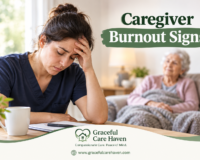
9. Increased Caregiver Stress
Family caregivers often play a vital role in supporting aging loved ones. However, caregiving responsibilities can become physically and emotionally exhausting.
Signs of caregiver burnout include:
- Chronic stress
- Fatigue
- Anxiety
- Health problems
- Difficulty balancing work and family obligations
Assisted living can provide professional support while allowing family members to focus on spending quality time with their loved one rather than managing daily caregiving tasks.
10. Frequent Hospital Visits
Repeated emergency room visits or hospitalizations may indicate that a senior requires more consistent monitoring and support.
Common concerns include:
- Chronic disease complications
- Medication-related issues
- Falls and injuries
- Dehydration
- Poor nutrition
Assisted living communities help residents manage health conditions more effectively through regular supervision and coordinated care services.
Benefits of Assisted Living for Maryland Seniors
Choosing assisted living is not about giving up independence. In many cases, it helps seniors maintain greater independence while improving their overall quality of life.
Key benefits include:
24/7 Support
Trained staff are available around the clock to assist residents whenever needed.
Safe and Secure Environment
Communities are designed with senior safety in mind, including emergency response systems, accessibility features, and secure facilities.
Social Engagement Opportunities
Residents have access to organized activities, social events, educational programs, and fitness classes that encourage active lifestyles.
Access to Healthcare Services
Many assisted living communities coordinate with healthcare providers and offer wellness monitoring services.
Reduced Family Caregiver Burden
Families gain peace of mind knowing their loved one is receiving professional care in a supportive environment.
Maryland-Specific Considerations
Families exploring assisted living in Maryland should understand the state’s regulations and available resources.
The Maryland Department of Health oversees and licenses assisted living communities to ensure they meet state standards for safety and care.
When researching Assisted Living Communities in Maryland, consider factors such as:
- Location and proximity to family
- Community size
- Specialized memory care services
- Healthcare partnerships
- Resident satisfaction
Maryland also offers various senior care resources and financial assistance programs that may help eligible seniors manage the cost of care.
Depending on individual circumstances, veterans’ benefits, long-term care insurance, Medicaid waiver programs, and other assistance options may be available.
Questions to Ask When Choosing an Assisted Living Community in Maryland
Selecting the right community is a major decision. Asking the right questions can help families evaluate their options effectively.
Consider asking:
What is the staff-to-resident ratio?
Understanding staffing levels can provide insight into the amount of personalized attention residents receive.
Is there an emergency response system?
Ask how emergencies are handled and whether staff are available 24/7.
What activities and wellness programs are offered?
A strong activity program can significantly improve residents’ quality of life.
What are the monthly costs and included services?
Be sure to understand what is included in the base fee and which services may incur additional charges.
What is the community’s licensing and inspection status?
Review state inspection records and licensing information to ensure compliance with Maryland regulations.
When to Start the Conversation
Discussing assisted living can be emotional for both seniors and their families. However, having the conversation early often leads to better outcomes.
Approach the discussion with empathy and respect. Focus on safety, quality of life, and maintaining independence rather than emphasizing limitations.
Early planning allows families to:
- Explore options carefully
- Avoid rushed decisions during emergencies
- Involve seniors in the decision-making process
- Develop a transition plan that meets everyone’s needs
The sooner families begin evaluating care needs, the more choices they typically have available.
Conclusion
Recognizing the signs that it may be time for assisted living can help families make proactive decisions that support the health, safety, and happiness of their loved ones.
Difficulty managing daily activities, frequent falls, medication mistakes, social isolation, caregiver burnout, and recurring hospital visits are all important indicators that additional support may be beneficial.
Rather than viewing assisted living as a loss of independence, many Maryland families find that it provides seniors with greater freedom, improved safety, meaningful social connections, and a higher quality of life.
If you notice several of these warning signs, consider seeking a professional assessment and exploring Assisted Living Maryland options that can provide the right level of support for your loved one’s current and future needs.