When families begin searching for senior living options, one phrase comes up again and again in conversations with concerned sons, daughters, and spouses: “I just want my loved one to get individual attention.” It’s a simple request, but it speaks to a deep worry — that in a large facility, a parent or spouse might become just another name on a chart, another resident in a long hallway of rooms. An individual attention senior home solves exactly this problem by keeping the resident-to-caregiver ratio small enough that every person is truly seen, known, and cared for as an individual.
In this guide, we’ll explore what individual attention really means in a senior care setting, why it matters so much for health and happiness, and how to identify a home that genuinely delivers on this promise rather than just advertising it.
What Does “Individual Attention” Actually Mean in Senior Care?
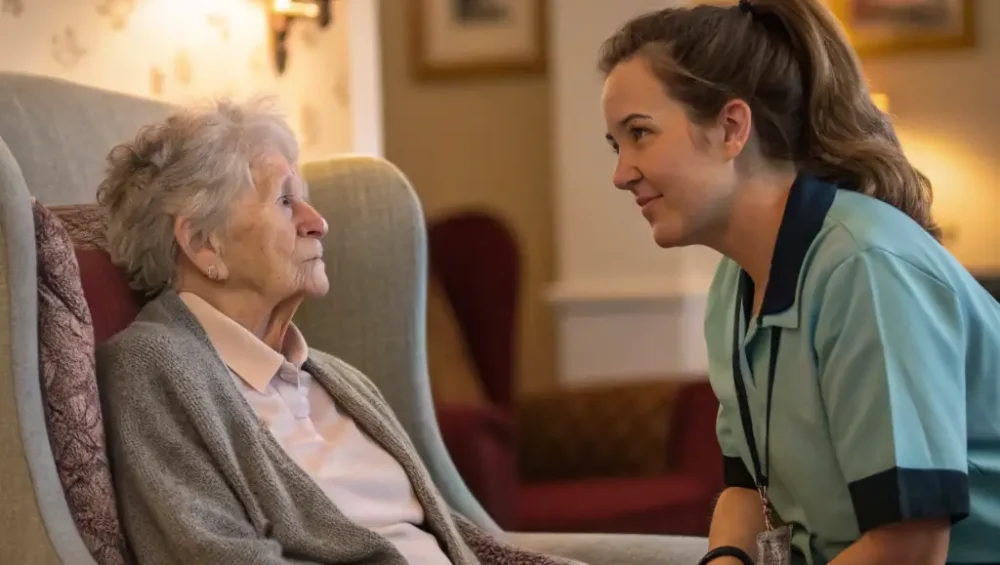
Individual attention refers to a model of care where each resident receives support that is tailored specifically to them — their routines, preferences, medical needs, personality, and pace of life — rather than being folded into a one-size-fits-all schedule. It’s the difference between a caregiver who knows a resident likes their tea a certain way and remembers their grandchildren’s names, versus a rotating staff member who is simply checking boxes on a task list.
In practice, individual attention shows up in small but meaningful ways:
- A caregiver noticing subtle changes in mood or appetite before they become serious health concerns
- Meals adjusted to dietary needs and personal taste, not just a standard menu
- Daily routines that respect a resident’s natural rhythm — when they like to wake up, rest, or socialize
- Time spent simply talking, listening, and building a real relationship, not just providing physical care
This kind of attentiveness is nearly impossible to deliver at scale in large, institutional facilities where staff may be responsible for dozens of residents at once. It’s why more families are turning toward smaller, residential-style senior homes that are structured specifically to make individualized care possible.
Why Individual Attention Matters So Much for Seniors
It Protects Physical Health
Seniors often can’t or won’t advocate for themselves the way younger adults do. A resident might quietly stop eating as much, develop a limp they don’t mention, or start showing early signs of confusion. In a home where caregivers know each resident well, these changes are noticed immediately — often before they become emergencies. In a facility where staff barely have time to say hello, subtle warning signs can go unnoticed for weeks.
It Preserves Dignity and Independence
Individual attention isn’t about doing everything for a resident — it’s about doing exactly what’s needed, and no more. A caregiver who truly knows a resident understands where they want help and where they want to maintain their independence. This balance is essential for preserving a senior’s sense of self-worth and autonomy, rather than making them feel like a passive recipient of care.
It Reduces Loneliness and Isolation
One of the most underappreciated risks in senior care is emotional isolation. Even in a busy facility, a resident can feel profoundly alone if no one has the time to sit and talk with them. Homes built around individual attention naturally create space for genuine companionship — shared meals, real conversations, and caregivers who remember what matters to each person.
It Supports Better Mental and Cognitive Health
Research consistently links social engagement and personalized routines to better cognitive outcomes in older adults. When a caregiver understands a resident’s history, interests, and cognitive baseline, they can tailor activities and conversation in ways that keep the mind engaged — something a generic activity schedule simply can’t replicate.
It Gives Families Real Peace of Mind
Perhaps most importantly, individual attention gives families confidence. When you know that caregivers genuinely know and care about your loved one — not just their file — it becomes much easier to trust the process of moving them into a care setting. That peace of mind is often just as valuable to families as the care itself.
The Difference Between Large Facilities and Small Residential Homes
Large assisted living facilities often operate with dozens or even hundreds of residents under one roof, supported by rotating shifts of staff. While these facilities can offer robust amenities and structured programming, the sheer scale can make truly individualized care difficult to sustain. Staff turnover, high caregiver-to-resident ratios, and standardized schedules can all work against the kind of personal attention families are hoping for.
Smaller, residential-style senior homes take a fundamentally different approach. With fewer residents under one roof, caregivers have the time and continuity to build real relationships. Meals are often home-cooked rather than mass-produced. Daily schedules flex around residents’ actual needs rather than institutional efficiency. This model doesn’t just feel more personal — it structurally enables the kind of attentiveness that larger facilities struggle to deliver consistently.
This is the philosophy behind Graceful Care Haven’s approach to senior care in Ellicott City, Maryland. As a small, home-like residential community, caregivers are able to build genuine, lasting relationships with each resident rather than managing them as a rotating caseload.
What to Look for in a Senior Home That Delivers Real Individual Attention
If individual attention is a priority for your family — and it should be — here are the questions worth asking when touring a senior home:
- What is the caregiver-to-resident ratio? Lower ratios almost always translate into more personalized care.
- How long have caregivers worked there? High staff turnover makes it difficult for caregivers to build the kind of familiarity that individual attention requires.
- Are care plans truly personalized, or templated? Ask to see how care plans are developed and how often they’re reviewed and adjusted.
- How are family members kept informed? Homes that prioritize individual attention typically maintain open, ongoing communication with families rather than only reaching out when something goes wrong.
- What does a typical day look like for a resident? Ask specifically how meals, activities, and routines are adapted to individual preferences rather than a fixed schedule.
Understanding what assisted living actually involves can also help families set realistic expectations for what personalized daily support should look like, so they know what to compare when touring different homes.
How Individual Attention Fits Into a Broader Care Approach
Individualized care isn’t a single service — it’s a philosophy that touches every part of daily life in a senior home. It’s reflected in how caregivers approach personalized care planning, how meals and activities are structured, and how the home communicates with families over time.
It also plays a role in how families use short-term support options. For instance, families who need respite care for a loved one — whether to cover a vacation, a medical procedure, or simply to give a primary caregiver a break — benefit just as much from individual attention during a short stay as residents do during a long-term placement. A home that values individualized care applies that same standard whether a resident is staying for two weeks or two years.
Cost is often a practical concern alongside quality of care. Families researching options in Maryland may also find it helpful to review how much assisted living typically costs in Maryland, so they can weigh personalized, residential-style care against other options with a clear understanding of pricing.
Signs Your Loved One Would Benefit from an Individual Attention Senior Home
Not every family recognizes right away that a more personalized setting is needed. Some common signs include:
- A parent or spouse seems to “blend into the background” in their current care setting, with staff who don’t know their preferences or history
- Health or mood changes have gone unnoticed until they became serious
- Your loved one has expressed feeling lonely, unseen, or like “just a number”
- Care routines feel rigid and don’t account for personal habits, likes, or dislikes
- Family communication from the current facility feels generic or infrequent
If any of these resonate, it may be time to explore a smaller, more personalized senior living option where your loved one can be known as an individual rather than managed as part of a larger population.
The Emotional Value of Being Truly Known
Beyond the practical health and safety benefits, there is something deeply human about being known. For seniors — many of whom have spent decades building careers, raising families, and shaping communities — losing that sense of being recognized as a whole person can be one of the hardest parts of aging. A caregiver who remembers a resident’s favorite stories, celebrates their small victories, and notices when something feels off isn’t just providing a service. They’re preserving that person’s sense of identity and worth.
This is ultimately what individual attention is about: not just meeting physical needs, but honoring the whole person behind them. It’s a standard of care that takes intention, consistency, and a smaller, more personal environment to truly achieve.
Common Myths About Individual Attention in Senior Care
Families sometimes assume that individualized care is either unaffordable or unnecessary compared to a larger facility’s programming. It’s worth addressing a few common misconceptions directly.
Myth: A bigger facility means better care. Scale often works against personalization. More residents typically means less time per person, more rigid schedules, and higher staff turnover — all of which make it harder for caregivers to build the kind of familiarity that individual attention requires. A larger building with more amenities doesn’t automatically translate into better day-to-day care.
Myth: Individual attention is only for residents with complex medical needs. While individualized care is essential for residents managing chronic conditions or memory-related challenges, it matters just as much for seniors who are relatively healthy and independent. Everyone benefits from caregivers who understand their preferences, respect their pace, and notice small changes over time.
Myth: Smaller homes can’t offer the same safety standards as large facilities. In reality, smaller residential homes often provide more consistent supervision precisely because caregivers aren’t stretched across dozens of residents. A lower caregiver-to-resident ratio generally means faster response times and more thorough daily monitoring, not less.
Myth: Personalized care is a luxury add-on, not a core service. Individual attention shouldn’t be treated as an optional upgrade — it’s a fundamental part of quality senior care. Homes that build their entire model around smaller resident populations and consistent caregiving relationships treat this as a baseline expectation, not a premium feature.
How Families Can Prepare for the Transition to Personalized Care
Once a family decides that an individual attention senior home is the right fit, preparing for the transition can make the adjustment smoother for everyone involved. Sharing detailed information with the new care team — daily routines, favorite foods, important life history, and personal preferences — helps caregivers begin building that individualized relationship from day one rather than starting from scratch.
It also helps to visit more than once before making a final decision, ideally at different times of day, to see how caregivers interact with current residents during meals, activities, and quieter moments. A home that truly practices individual attention will show it consistently, not just during a scheduled tour.
Open communication remains just as important after the move. Families who stay engaged — visiting regularly, asking questions, and sharing updates about their loved one’s history or changing needs — help reinforce the kind of ongoing, personalized care that makes a real difference over time.
Final Thoughts
Choosing a senior home is one of the most significant decisions a family will make, and individual attention should be near the top of the priority list. A home that genuinely knows its residents — their routines, their preferences, their history — offers something that generic, large-scale facilities simply cannot replicate: care that feels personal, safe, and deeply human.
At Graceful Care Haven, our small residential setting in Ellicott City, Maryland is built around exactly this principle. With a low caregiver-to-resident ratio, home-cooked meals, and caregivers who take the time to truly know each person in their care, families can feel confident their loved one isn’t just being housed — they’re being seen, respected, and cared for as an individual. To learn more or schedule a visit, contact us today or call +1-667-226-0300.