
Introduction
With age comes a number of important decisions regarding the best type of care while maintaining comfort, dignity, and independence. Assisted living in the home provides a solution by offering professional caregiving services while allowing seniors to remain in familiar surroundings.
At the same time, specialized programs such as assisted living memory care and assisted living for seniors help manage conditions including dementia, Alzheimer’s disease, and other age-related challenges.
This guide explains everything families need to know about assisted living in the home, memory care services, benefits, costs, and how to choose the right option in 2026.
What Is Assisted Living in the Home?
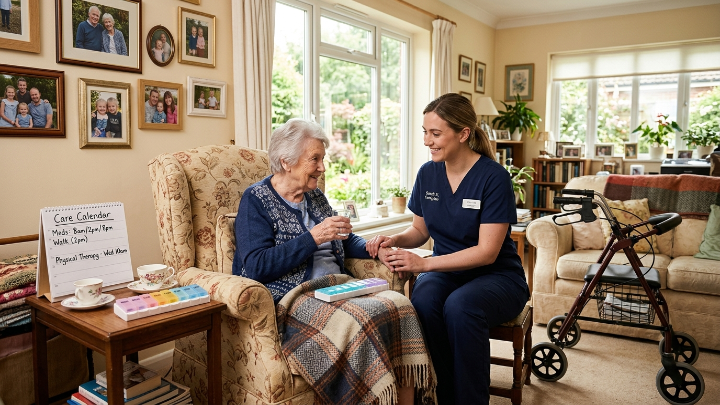
Assisted living in the home involves professional caregiving services delivered directly to a senior’s residence. Instead of relocating to a care facility, seniors receive support while continuing to live in the environment where they feel most comfortable.
Services may include:
- Personal hygiene assistance
- Meal preparation
- Medication reminders and management
- Mobility support
- Companionship
- Light housekeeping services
Home-based assisted living is ideal for seniors who need support with daily activities while maintaining a level of independence.
One of the greatest advantages of assisted living in the home is the comfort and familiarity of remaining in a personal living space.
Benefits of Assisted Living in the Home
Assisted living at home offers numerous emotional, physical, and financial benefits.
1. Security and Safety
Seniors often feel safer and more comfortable in familiar surroundings where routines and environments are already established.
2. Personalized Care Plans
Care programs can be customized to meet individual health needs, preferences, and daily routines.
3. Greater Independence
Seniors maintain control over their lifestyle, schedules, and living environment.
4. Family Involvement
Family members can actively participate in care decisions and maintain closer relationships with loved ones.
5. Financial Flexibility
In many situations, assisted living in the home can be more affordable than moving into a full-time residential care facility.
What Is Assisted Living Memory Care?
Assisted living memory care is a specialized form of senior care designed for individuals experiencing memory-related conditions such as Alzheimer’s disease and dementia.
This type of care focuses on:
- Cognitive support services
- Safe and secure living environments
- Structured daily routines
- Behavior management strategies
- Emotional and psychological support
Unlike traditional assisted living services, memory care programs provide additional supervision and specialized support tailored to cognitive decline.
Assisted Living Memory Care at Home
Many families choose memory care services that can be provided directly within the senior’s home. Professional caregivers trained in dementia and Alzheimer’s care deliver personalized support while allowing seniors to remain in familiar surroundings.
Benefits include:
- Wandering prevention and supervision
- Memory stimulation activities
- Medication management
- Emotional comfort and reassurance
- Continuous safety monitoring
This option is particularly beneficial for seniors in the early to moderate stages of memory loss who prefer not to move into a residential facility.
Assisted Living for Seniors: What It Includes
Assisted living for seniors encompasses a variety of support services designed to help older adults live safely, comfortably, and independently.
Common services include:
- Assistance with bathing and dressing
- Meal planning and nutritional support
- Transportation to medical appointments
- Health monitoring
- Social engagement and companionship
These services are intended to improve quality of life while reducing stress for both seniors and their families.
Who Needs Assisted Living in the Home?
Home-based assisted living may be appropriate for:
- Seniors with mobility limitations
- Individuals recovering from surgery or illness
- Older adults living alone
- People in the early stages of dementia
- Families unable to provide full-time care
This type of care fills the gap between independent living and nursing home care.
Assisted Living Memory Care vs. Regular Assisted Living
Understanding the difference between these services helps families make informed decisions.
Assisted Living for Seniors
- Provides general daily assistance
- Focuses on maintaining independence
- Suitable for seniors with primarily physical support needs
Assisted Living Memory Care
- Designed for dementia and Alzheimer’s patients
- Provides increased supervision
- Focuses on safety, routine, and cognitive support
The appropriate option depends on the senior’s medical condition and level of cognitive function.
Cost of Assisted Living in the Home
The cost of assisted living in the home varies depending on several factors:
- Number of caregiving hours required each day
- Level of medical assistance needed
- Geographic location
- Need for live-in caregivers
Similarly, assisted living memory care services may cost more due to the specialized training and expertise required.
However, many families find that home-based care can be more cost-effective than full-time residential care facilities.
How to Choose the Right Assisted Living Option
When evaluating assisted living for seniors or memory care services, consider the following factors:
1. Health Requirements
Determine whether basic daily assistance or specialized memory care is needed.
2. Safety Considerations
Evaluate whether the home environment is safe and accessible.
3. Budget
Compare care costs with alternative senior living arrangements.
4. Caregiver Qualifications
Ensure caregivers have appropriate training and experience in senior care and memory care.
5. Emotional Well-Being
Consider the senior’s preferences and emotional attachment to their home environment.
Advantages of Assisted Living for Seniors at Home
Choosing assisted living for seniors at home offers several long-term benefits:
- Improved emotional well-being
- Fewer hospital visits
- Stronger family relationships
- Greater comfort and familiarity
- Personalized care plans
This approach supports aging with dignity, independence, and quality of life.
Challenges of Assisted Living in the Home
Although assisted living at home provides many benefits, families should also consider potential challenges:
- Need for consistent caregiver availability
- Possible home safety modifications
- Higher expenses for full-time care
- Coordination among family members and caregivers
Understanding these challenges can help families prepare and create a more effective care plan.
Conclusion
Assisted living in the home, assisted living memory care, and assisted living for seniors have become increasingly important solutions for aging adults and their families.
The best option depends on the senior’s health needs, financial situation, and personal preferences. Whether basic daily assistance or specialized memory care is required, home-based services can provide professional support while preserving independence and comfort.
Ultimately, assisted living in the home allows seniors to receive quality care while remaining in the place they know and love most—their own home.
FAQs
Assisted living in the home involves professional caregiving services provided at a senior’s residence to help with daily activities, health management, and personal care.
Assisted living memory care is specialized support for individuals living with Alzheimer’s disease, dementia, and other memory-related conditions.
Seniors who require assistance with daily activities, mobility, medication management, or personal care may benefit from assisted living services.
Costs vary depending on the level of care required, caregiver hours, location, and whether specialized services are needed.
Yes. Many professional caregivers provide memory care services directly in a senior’s home, helping manage dementia and Alzheimer’s symptoms while maintaining a familiar environment.