As people age, their relationship with food changes. Appetite, digestion, medical needs, and even the ability to prepare meals can be affected over time. In senior care settings, nutrition is not just about eating regularly, it plays a vital role in physical health, emotional well-being, and overall quality of life. Thoughtfully prepared homemade meals can make a meaningful difference in assisted living environments.
Nutrition Needs Change with Age
Older adults often require different nutrients than younger people. Protein helps maintain muscle strength, calcium and vitamin D support bone health, and fibre aids digestion. At the same time, seniors may need to limit sodium, sugar, or unhealthy fats due to conditions such as high blood pressure, diabetes, or heart disease.
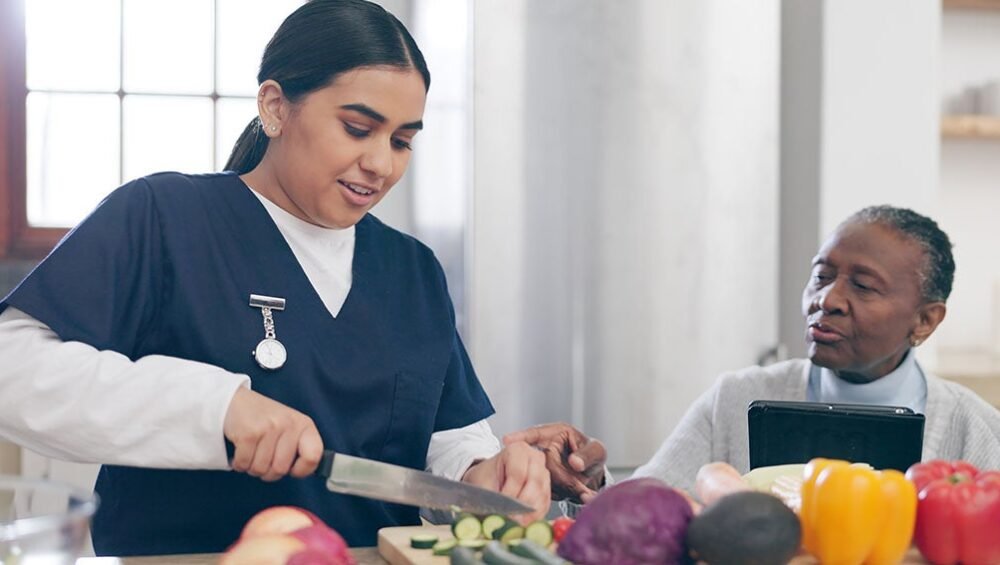
Homemade meals allow greater control over ingredients and portion sizes, making it easier to meet these changing nutritional needs. Meals can be adjusted to suit dietary restrictions, medical recommendations, and individual preferences without relying on heavily processed foods.
Supporting Physical Health and Energy Levels
Poor nutrition can lead to fatigue, weakness, and a weakened immune system. In seniors, this can increase the risk of falls, infections, and slower recovery from illness. Regular, balanced meals help maintain steady energy levels and support the body’s ability to function day to day.
Freshly prepared foods tend to retain more nutrients than pre-packaged or reheated meals. When seniors receive consistent, nourishing meals, they are more likely to stay active, mobile, and engaged in daily routines.
Better Digestion and Appetite
Many older adults experience digestive challenges or a reduced sense of taste and smell. Homemade meals, prepared with care and familiar flavours, can be easier to digest and more appealing to eat. Simple cooking methods, fresh ingredients, and warm meals often encourage better appetite compared to processed alternatives.
When seniors enjoy their meals, they are more likely to eat enough to meet their nutritional needs, helping prevent unintended weight loss or nutrient deficiencies.
Emotional Comfort and Familiarity

Food is closely tied to memory and emotion. Familiar home-style meals can provide comfort, reduce stress, and create a sense of routine and normalcy—especially important for seniors adjusting to assisted living.
Sharing meals also supports social interaction. Eating together encourages conversation, connection, and a sense of community, which can positively impact mental health and reduce feelings of isolation.
Accommodating Individual Dietary Needs
In senior care, no two residents have the same needs. Some may require soft foods, others may need diabetic-friendly meals, and some may have allergies or cultural preferences. Homemade meal planning makes it easier to accommodate these individual requirements while still offering variety and balance.
Flexibility in meal preparation helps ensure that nutrition supports health rather than becoming a source of frustration or discomfort.
Nutrition as Part of Holistic Senior Care
Good nutrition is not a standalone service, it is part of a broader approach to caring for seniors. When meals are thoughtfully prepared and aligned with health needs, they support medication effectiveness, physical activity, cognitive health, and overall well-being.
In assisted living settings, providing consistent, homemade meals reflects an understanding that food is a fundamental part of dignity, comfort, and daily quality of life.
Final Thoughts
Homemade meals and proper nutrition play a quiet but powerful role in senior care. They support physical health, encourage independence, provide emotional comfort, and contribute to a safer, healthier daily routine. In assisted living environments, thoughtful meal preparation is not about luxury—it’s about meeting seniors where they are and supporting them in living well, every day.